%2Ffit-in%2F250x250%2Fguide_websites%2F132954%2Fimages%2F1778308869880chatgptimagemay9202602_40_57pm.png&w=1920&q=100)
/users/c692c33b-e513-4185-b92b-c40eb5ab4ec1/pagedata/davenuttalllargebrooktrout-mqcyfgp4.jpg)
%2F300x300%2Fusers%2Fc692c33b-e513-4185-b92b-c40eb5ab4ec1%2Fpagedata%2Fdavenuttalllargebrooktrout-mqcyfgp4.jpg&w=256&q=75)
%2F300x300%2Fusers%2Fc692c33b-e513-4185-b92b-c40eb5ab4ec1%2Fpagedata%2Fbrucetilbrookbrooktrout-mqcyrg3w.jpg&w=256&q=75)
%2F300x300%2Fusers%2Fc692c33b-e513-4185-b92b-c40eb5ab4ec1%2Fpagedata%2Fdougbrooktrout-mqcymxuz.jpg&w=256&q=75)
%2F300x300%2Fusers%2Fc692c33b-e513-4185-b92b-c40eb5ab4ec1%2Fpagedata%2Fpxl_20260628_180831533_exported_722103-mrjodaox.jpg&w=256&q=75)
%2F300x300%2Fusers%2Fc692c33b-e513-4185-b92b-c40eb5ab4ec1%2Fpagedata%2Fpxl_20260614_150425661.mp-mrjnzdr3.jpg&w=256&q=75)
%2F300x300%2Fusers%2Fc692c33b-e513-4185-b92b-c40eb5ab4ec1%2Fpagedata%2Fpxl_20260703_151931514.mp-mrjo0038.jpg&w=256&q=75)
Finding Brookies: hunting square tail giants in historic waters
 Ontario, CA
What you will be catching:
 Brook Trout
 Lake Trout
 Northern Pike
 Rainbow Trout
 Walleye
- Trophy Brook Trout Hunt (6-Hour Private Charter)This is a dedicated, high-stakes hunt for massive, wild trout on the ultimate proving ground—the home of the 14.5-pound World Record. This trip is built entirely around quality over numbers, focusing on maximizing any and all opportunities to net the fish of a lifetime.Base Rate: Covers 1 person for 6 full hours of actual fishing time.Additional Anglers: $100 per person up to a maximum of 3 guests total (ideal for 1–2 fly anglers or up to 3 traditional gear anglers).Flexible Duration: Standard trip is 6 hours, but service hours can be increased or decreased at check out (fee changes apply).Three Distinct World-Class FisheriesDepending on seasonal flows, water levels, and precise temperatures, we target giant trout across three unique systems:The Historic Nipigon River: Intercepting heavy river monsters in fast-flowing current breaks and transitions.Lake Nipigon: Targeting deep, massive wilderness structures where giant trout hold.Lake Superior Shorelines: Hunting the legendary, rugged "Coaster" Brook Trout subspecies.The Ultimate Casting PlatformThe Ship: Hunt entirely from "OFFline," a premium 18’ Lund Tyee engineered with a 175HP Mercury Verado.Fly & Gear Optimized: Meticulously designed with a rock-solid, spacious casting deck that completely eliminates wave slap—preventing shallow, skittish trophy trout from spooking. Includes ample storage for high-end rods and equipment.What is IncludedTenacious Work Ethic: A hard-working guide utilizing a lifetime of local boating experience to pattern fish.Onboard Catering: A delicious lunch and crisp non-alcoholic drinks are fully provided on board.Premium Shore Lunch (Optional): An optional, traditional wilderness shore lunch can be seamlessly built into your day to celebrate a trophy catch.Gear & Services: High-quality rods, reels, tackle, and required safety gear are provided (fly anglers are highly welcome to bring their favorite personal setups). Full, professional fish-cleaning service is included.What Guests Need to BringValid Ontario fishing license.Polarized sunglasses, a hat, and non-spray sunscreen.High-quality, weather-appropriate clothing layers (be prepared for everything from hot sun to freezing, sleeting rain).Reach out to me for any questions: Gord NuttallEmail: gord.nuttall@gmail.comPhone: 587-984-1625 (WhatsApp included)
Trip Pricing and Availabilities:
This trip is purpose-built for serious anglers looking to hunt down their personal best Brook Trout. The legendary Nipigon River system is the ultimate proving ground for trout fishermen, famously home to the 14.5-pound World Record Brook Trout caught right here in 1914. This isn't a casual day of casting—this is a dedicated hunt for massive, wild trout. This trip isn't about numbers; it's about the quality of the fish caught and making it count with any and all opportunities. Depending on the season, water levels, and temperatures, we will target these giants across three distinct, world-class fisheries: the fast currents of the historic Nipigon River, the deep structure of Lake Nipigon, and the rugged shorelines of Lake Superior where we hunt the legendary "Coaster" Brook Trout subspecies.
An Elite Platform For Gear & Fly Anglers All fishing is done entirely from the boat. You will be hunting from "OFFline," a premium 18’ Lund Tyee (175HP Mercury Verado) specifically optimized for high-end trout tactics. We have heavily invested time and money into this rig to give fly fishermen a rock-solid, spacious platform for clean, unbalanced casts without wave slap spooking shallow fish. It operates just as beautifully for traditional spinning, casting, and deep-water trolling gear. The boat accommodates a maximum of 3 guests total, which is ideal for 1–2 fly anglers or up to 3 traditional gear anglers, with plenty of room to store high-end rods and equipment.
Hard Work & Trip Logistics While I can't control the weather or the fish bite, I am not a lazy guide. I will work tenaciously hard, using a lifetime of local boating experience to read the patterns and put you on the fish of a lifetime. The base rate covers 1 person for a full 6 hours of actual fishing time (excluding travel), and additional anglers can join for $100 per person. Service hours can be increased or decreased at check out (fee changes apply).
What is Included A delicious lunch and non-alcoholic drinks are fully provided on board. If you want to celebrate a catch, an optional wilderness shore lunch can be built into your day. High-quality rods, reels, tackle, and safety gear are provided, though fly anglers are welcome to bring their own favorite setups. Any fish caught within local legal regulations are yours to keep, and I will gladly clean your catch. Guests must bring a valid Ontario fishing license, polarized sunglasses, a hat, non-spray sunscreen, and high-quality, weather-appropriate clothing layers—be prepared for anything from hot sun to freezing, sleeting rain.
Reach out to me for any questions:
Gord Nuttall
587-984-1625 (WhatsApp included)
Learn more about the species
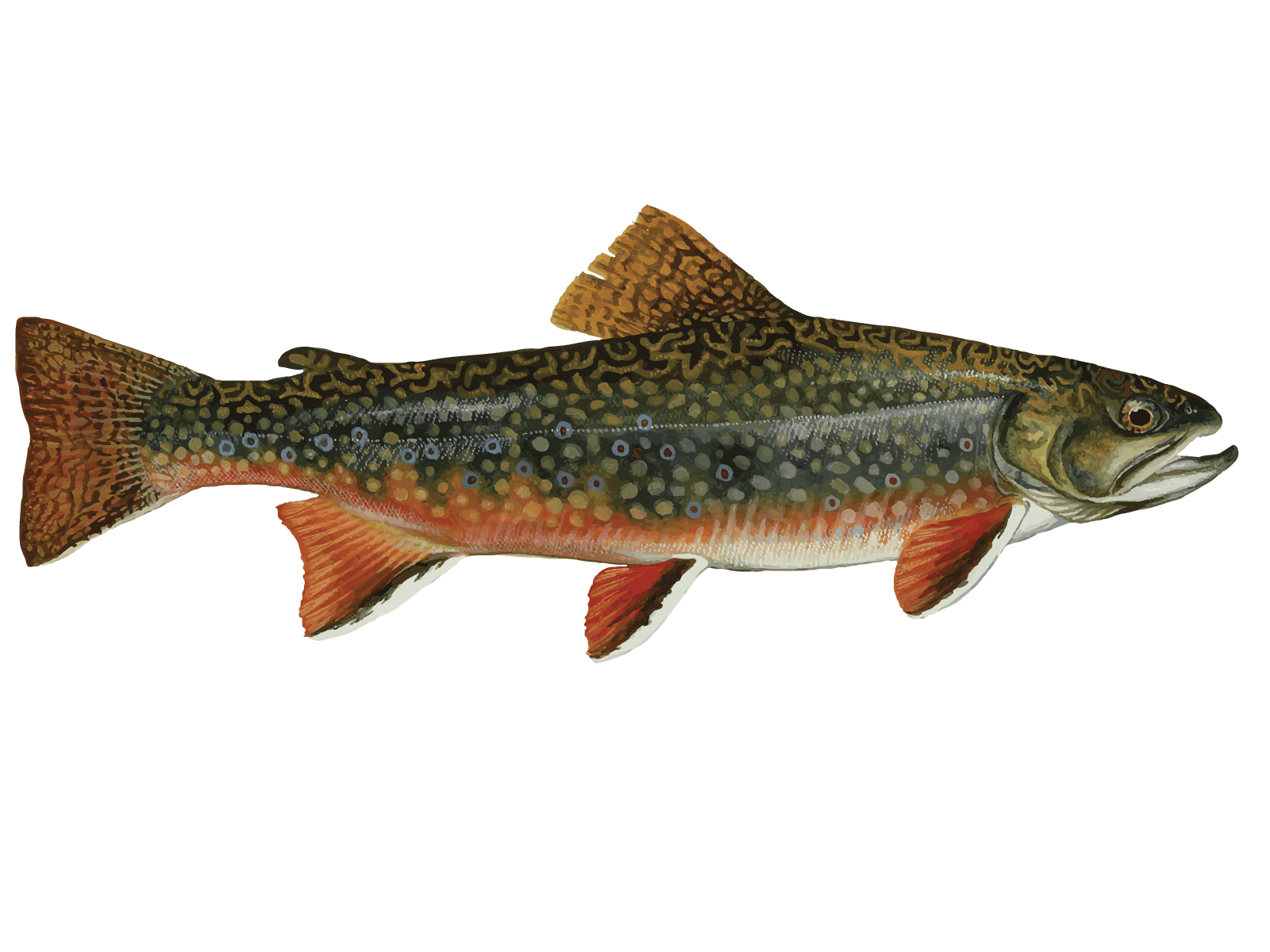
Brook Trout
Brook trout are beautifully colored fish with wavy markings and distinctive red spots ringed in blue. Most run 8-15 inches here, though larger ones push 2-3 pounds. They're picky about water quality - you'll find them in cold, clean streams and small lakes with temps below 68°F. They love structure like fallen logs, undercut banks, and boulder pools where they can ambush insects and small baitfish. Spring and fall are prime times when water's cooler, but early morning and evening work year-round. What makes brookies special is their fight - they're scrappy for their size and absolutely beautiful. Plus, they're fantastic eating with sweet, flaky meat. My tip: use small presentations and keep quiet - these fish spook easily in shallow water, so a stealthy approach beats heavy gear every time.
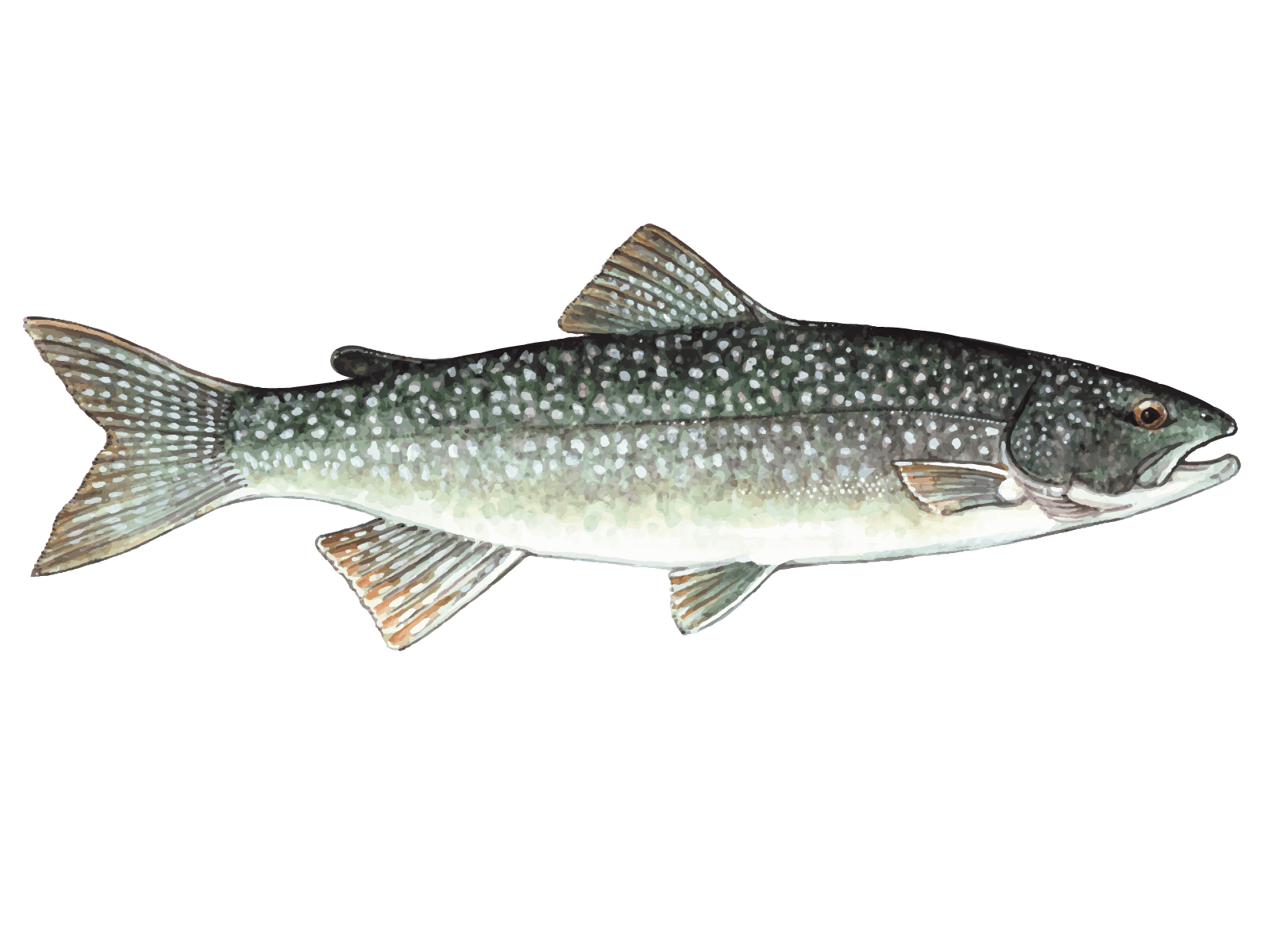
Lake Trout
Lake trout are the deep-water giants that serious anglers dream about. These grey-green fish with cream spots grow large - we regularly see 5-15 pounders, with some pushing 20+ pounds and 30+ inches. They live in the coldest, deepest parts of our lakes, often 40-80 feet down in summer, coming shallower in spring and fall. The cooler months and overcast days are best since they avoid bright light. What draws people to lake trout is the size potential and that deep-water battle - they're strong, stubborn fighters. The meat is rich and oily, great smoked. My key tip is vertical jigging with heavy spoons or swimbaits right on bottom. Use your fish finder to locate suspended schools, then drop straight down. Work the jig slowly - these fish are deliberate feeders, not aggressive strikers.
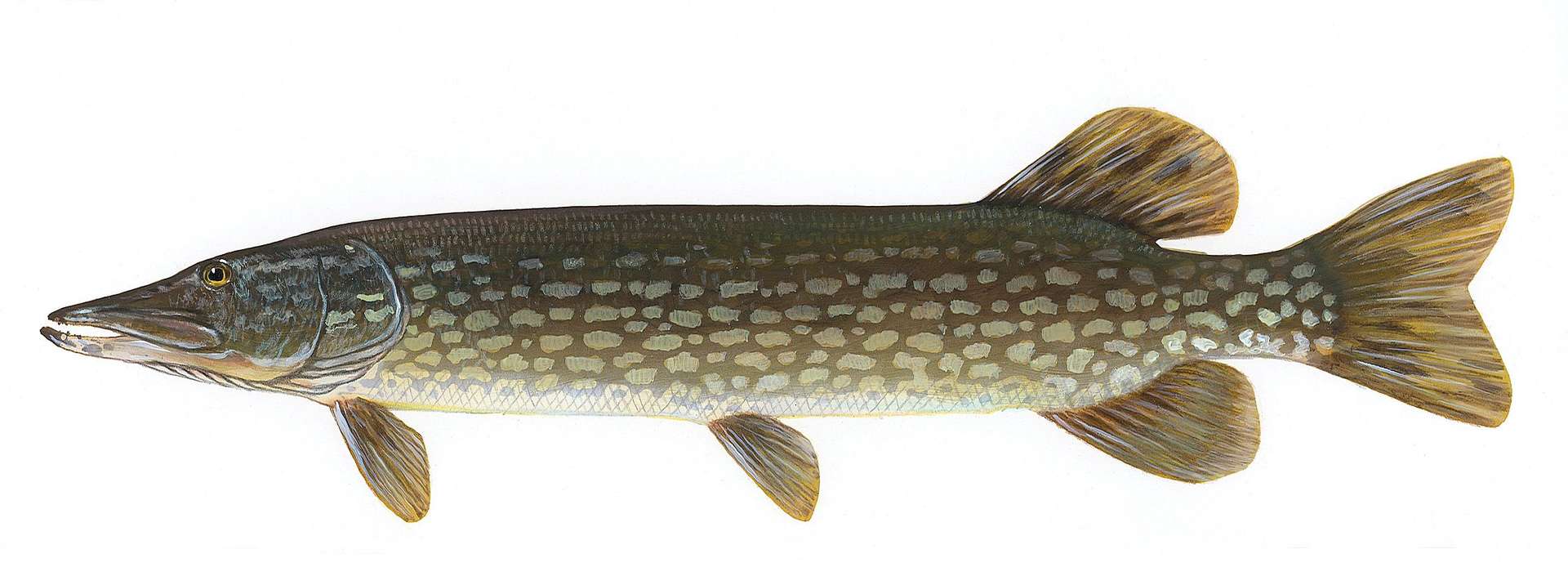
Northern Pike
Northern pike are the apex predators of our waters - aggressive, toothy, and built for ambush attacks. These green missiles average 24-30 inches and 3-6 pounds, though bigger ones lurk in deeper spots. Find them around weed beds, drop-offs, and shallow bays where they hunt from cover. Spring and fall are prime when they're in shallower water, but summer mornings near structure produce well too. Guests love the sudden, explosive strikes and powerful runs these fish make. They're not fancy table fare, but the thrill of hooking a "water wolf" keeps people coming back. My go-to advice: use a steel leader - those razor teeth will cut through regular line instantly. Also, work lures slowly past cover and be ready for that bone-jarring strike. Keep your fingers clear when landing them!
Rainbow Trout
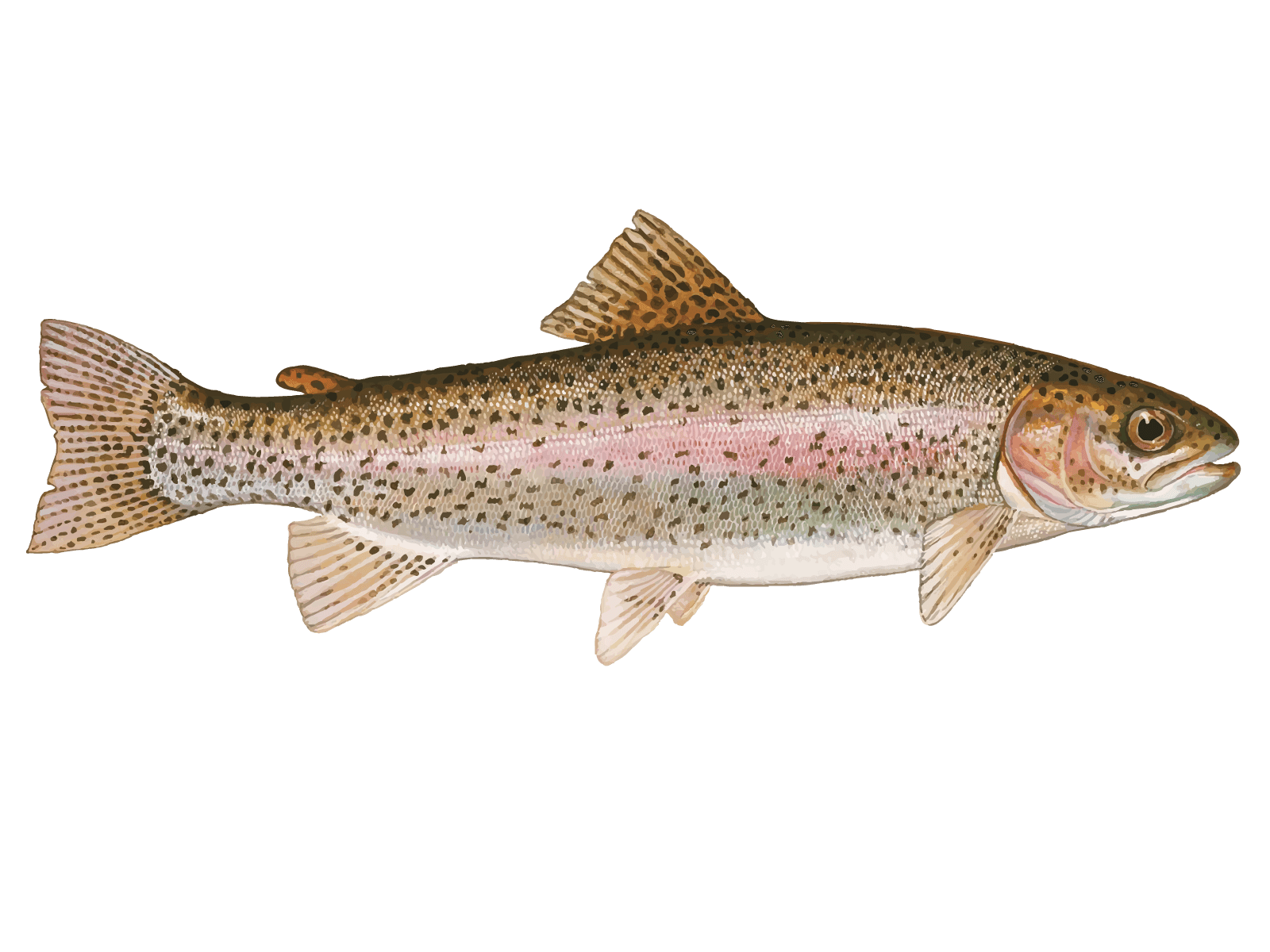
Rainbow trout are classic fighters that never disappoint. These silver-sided beauties with their pink stripe typically measure 12-18 inches and weigh 1-4 pounds in our waters. They prefer cool, moving water around 55-65°F and gravelly areas with good cover. Look for them near drop-offs, inlet streams, and rocky shorelines. Spring through fall are best, especially early morning and evening when they're actively feeding on insects. What makes rainbows special is their acrobatic fight - they'll jump, run, and test your drag like few other fish. They're also excellent eating with firm, pink meat. The secret I tell clients is matching the hatch - watch what's flying around and use similar colored flies or small spinners. Also, fish upstream presentations when possible; these trout face into current and spook easily from behind.
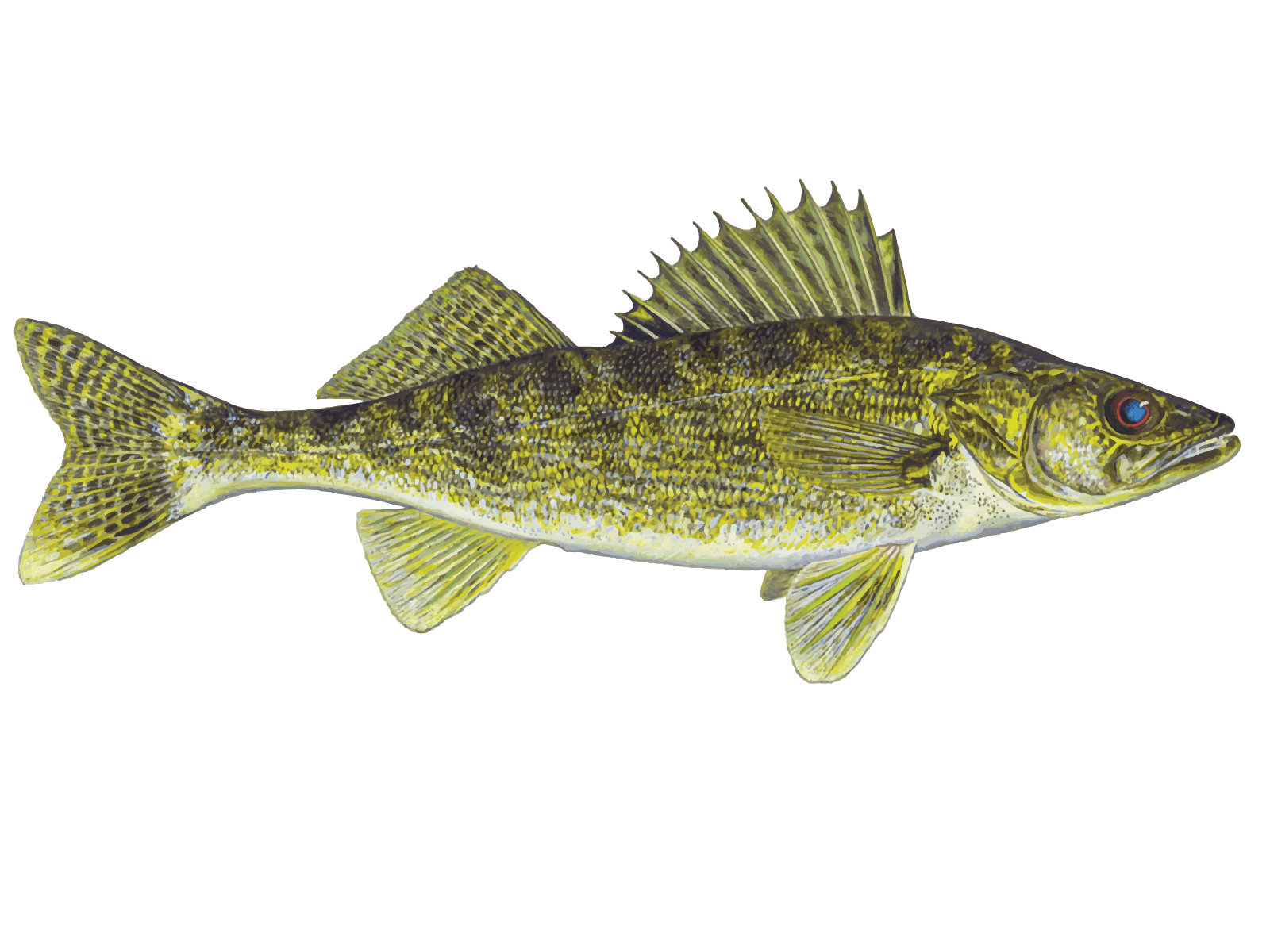
Walleye
Walleye are the ultimate target fish for good reason - they fight hard and taste even better. These golden-sided predators typically run 14-20 inches and 2-4 pounds, with their signature glassy eyes that help them hunt in low light. You'll find them along rocky structures, drop-offs, and weed edges, usually in 10-30 feet of water during the day. They move shallow at dawn and dusk to feed. Spring and fall are peak seasons, but summer evenings produce great action. What guests love most is the challenge of finding them and that incredible table fare - walleye fillets are hard to beat. The key trick I share is fishing slow and deep with live bait rigs. A simple jig and minnow bounced along the bottom near structure will outfish fancy lures most days. Patience pays off with these fish.